Q&A: ProptechOS – Rasmus Gorm Pedersen
AI gets the attention.
Connected data creates the value.
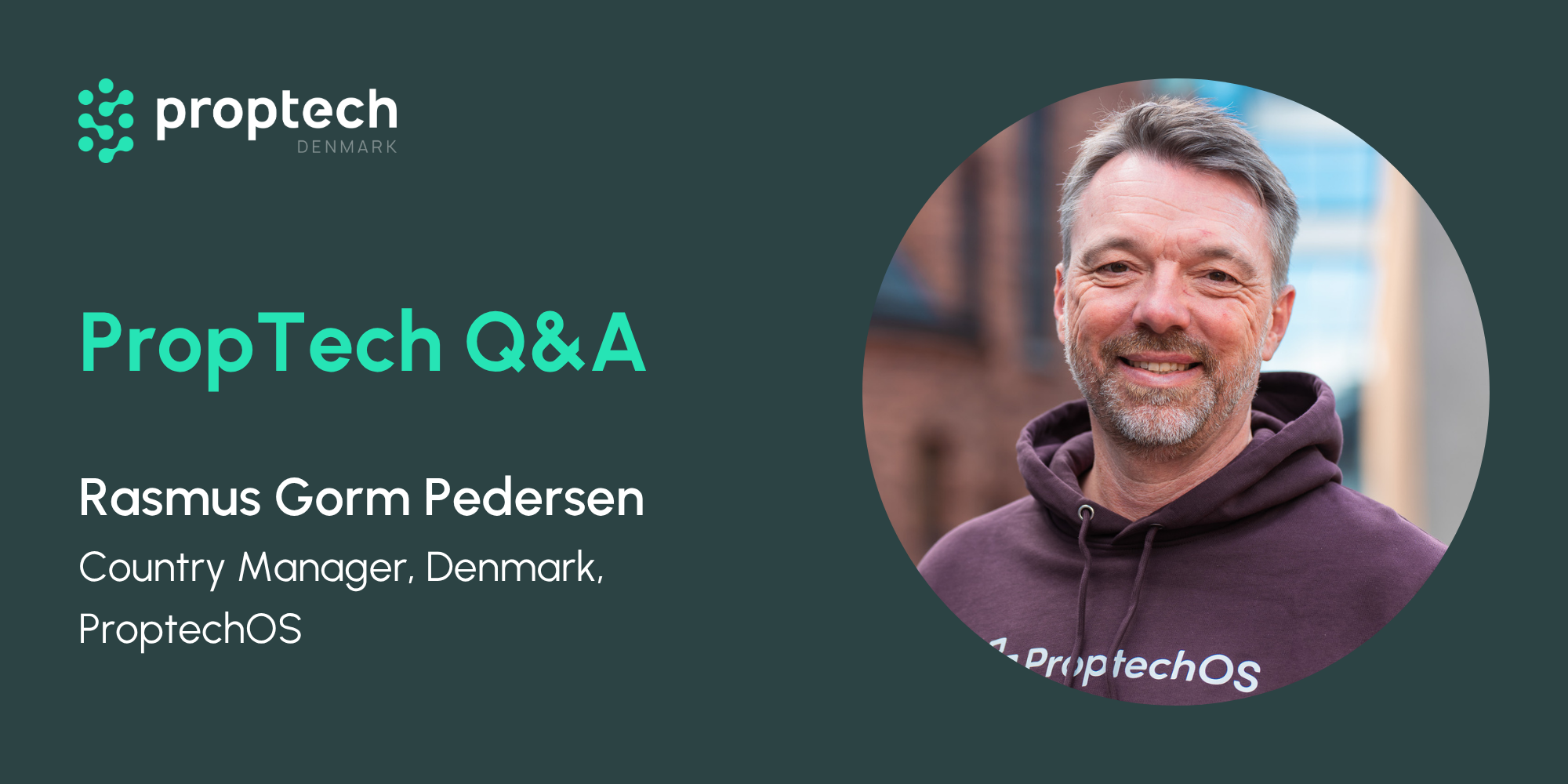
In this Q&A, Rasmus Gorm Pedersen, Country Manager at ProptechOS, shares his perspective on AI, data and the next step for proptech. His key point: the real opportunity does not start with AI, but with connecting the data buildings already have – and putting it to work.
What role does proptech play in the real estate industry in 2026?
Proptech's role in 2026 isn't just about digitising buildings. It’s about connecting the data that already exists across systems so that it can be acted upon.
Most real estate owners aren't short on data anymore. They're short on a shared layer that makes that data usable across internal and external teams and systems. That is the shift proptech is driving right now: from dashboards you look at, to agents and workflows that act on your behalf. With you as the orchestrator.
Morgan Stanley's research [linked in the sources below] puts a number on how much is at stake: 37 percent of the tasks real estate companies do can be automated by AI.
Their estimate frames it as a 2030 opportunity. As I see it: reaching those 37 % isn't a matter of waiting five years. It's a matter of having the shared data layer in place. Once systems can actually talk to each other, agents can take on real operational work. From monitoring to fault detection, root cause analysis, alarm correlation, reporting, predictive maintenance planning – instead of just presenting information for a person to still act on manually.
What should companies in the real estate sector be aware of when collaborating with proptech companies?
That anyone promising agentic AI value without first asking hard questions about your data – is it structured, is it accessible, does anyone actually own it – is skipping the step that determines whether that shift is reachable at all.
We spend as much time on that shared data layer as we do on the AI layer itself, because one doesn't work without the other.
The second thing worth knowing: pick partners who will run agents inside your existing systems, not around them. The job of an operating system layer is to sit on top of what you already have and let agents act through it – not to ask an organisation to rip everything out and start over.
AI isn’t the value in itself. It's that the underlying data is structured and connected first. The AI is the part that shows up last and gets the attention, but it's not the part that makes the difference.
One example of this is KLP Eiendom's Eufemia building in Oslo. By analysing the ventilation data that was already being generated but never really looked at, we helped them find a 31 percent energy reduction, without any new hardware investment. This is a prime example of "low-hanging fruit": the building didn't need new technology, it needed someone reading (and acting on) the data it already had.
Another example is Locum, Region Stockholm's healthcare property company, responsible for hospitals and specialist care facilities. They started with a straightforward goal – unify data from systems that had never talked to each other. AI wasn't even the focus at first. But six months in, their technical team is now testing AI agents that prioritise alarms, catch data gaps before they become blind spots, and draft work orders directly into their FM system. It is all human-reviewed, because especially in a hospital environment that oversight matters.
One of their specialists now produces a regulatory inspection report in about 4 hours. Work that used to mean a 2-day consultant engagement. And their own dashboard prototype, built from data they already had, went from idea to a working production tool in 2 minutes.
What are the biggest business challenges you have had to overcome – and the biggest highlight?
Well – it's two-sided.
On one side, we have the knowledge gap between "AI hype" and what a portfolio owner can practically implement this year, convincing procurement-led organisations to move at the pace technology now allows; building trust as a smaller or newer vendor against incumbent systems integrators.
On the other, very few organisations have a fully documented IT/OT techstack, with clear governance principles around ownership and access to data, documentation on OT systems as well as an OT maintenance and operations plan.
To put it plainly: We spend one afternoon on developing a connector and onboarding a new OT-system. But we spend two months of calendar time together with the customers to find documentation, vendor information, facility information etc.
As for the biggest highlights:
Our admission as a supplier on SKI's framework agreement in Denmark, which gives Danish public sector organisations direct access without a separate tender process is speeding up the adoption of Agentic AI in public facility management departments – and seeing customers like Locum move from "AI wasn't the focus" to a live agentic pilot within months really underscores the value of what we’re doing..
What would you wish that you knew prior to getting to this point in your career?
Digitisation has always been a kind of change management process.
Back in the days, organisations adopted to standard software instead of developing their own. That required a lot of process change inside organisations. Now – not only AI is changing this situation, but Agentic AI will require both change management skills, and also "supervisory" or "manager" skills to people who are not used to managing other people.
So, even though I have been working with change management and leadership for many years, the importance of respecting the needed change at the customer's side, is an important piece of advice I would give to others on the supply side.
As a buyer and responsible for the outcome of a procured system, this is by far the most important thing. And while security in general is mandatory in a license to operate, the management of adopting the possibilities of Agentic AI in the organisation – and across teams – is one of the most important factors for success.
Where do you go for inspiration?
I love the podcasts and webinars Energiforum Danmark is hosting, and just as well the podcasts and webinars from Dansk Facility Management. I am a former board member of Energiforum and current board member of Dansk Facilities management so a small disclaimer for that.
I love to hear podcasts in the car - like Brinkmans Briks and Sh*t you wish your building did!.
On the book side that is relevant to proptech, it could be the new version of the “Rewired” (McKinsey Playbook on how leading companies win with technology and AI), and next up for me is "It's all about people first" by Mikkel Severin. But also classic strategy and change management books.
About
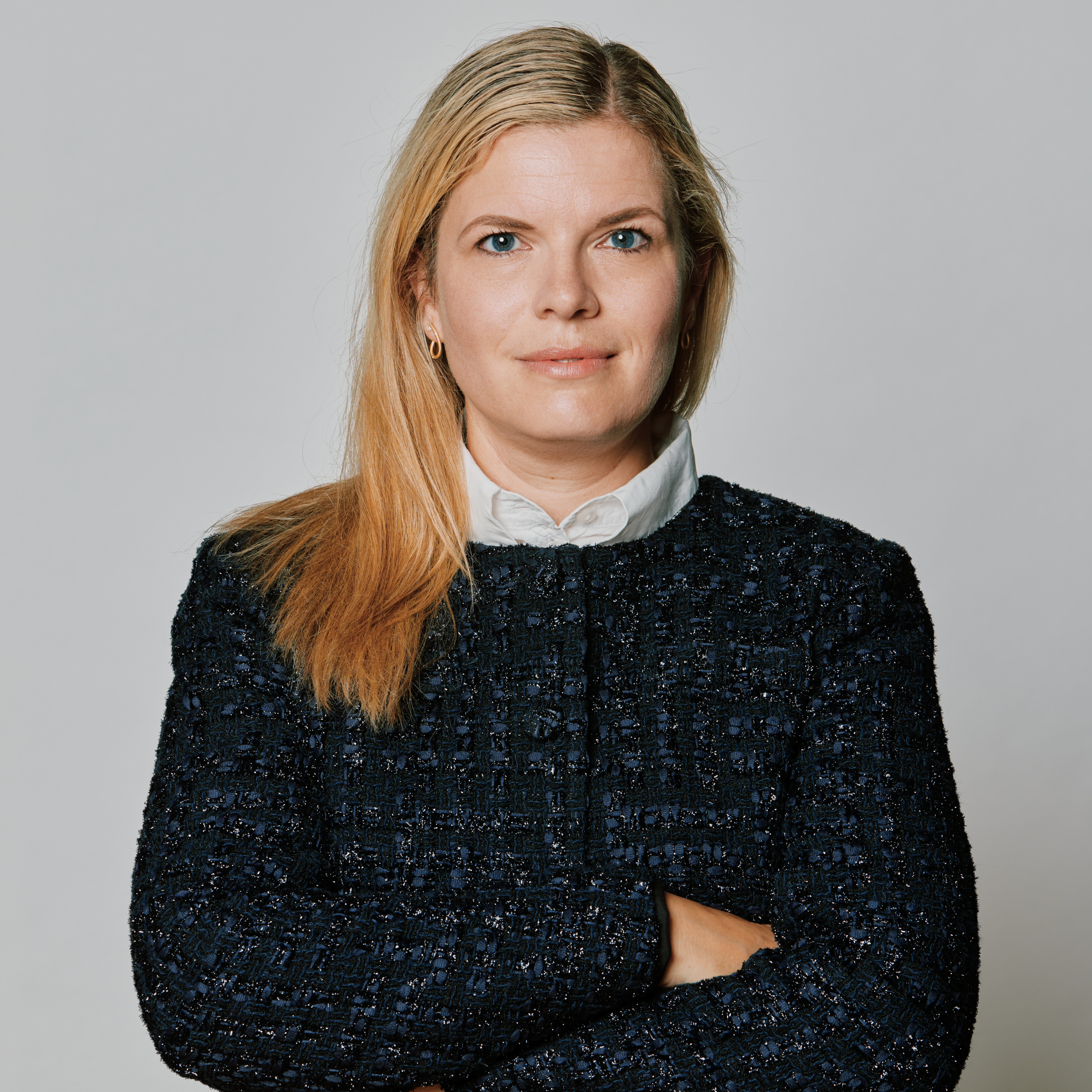
Rasmus Gorm Pedersen is Country Manager, Denmark at ProptechOS, where he works with real estate owners and facility management organisations across Denmark and the wider Nordics on the shift from connected buildings to AI-enabled operations.
Rasmus is 53 years old, holds an HD in Organisation, Strategy and Leadership, and has spent over 25 years in business development, organisational change and sales leadership, working with strategy execution and effect measurement since 1999. He lives in the Midtjylland region of Denmark with his wife and two children, and is a board member of Dansk Facilities Management and, until recently, Energiforum Danmark, where he served for eight years, most recently as vice-chairman.
Outside work he is a lifelong volunteer with a focus on children, sustainability, nature and community: a former FDF youth leader, founder of the 1,000-member Ry Trail Runners community, co-founder of the Julsø Ultra and Great Dane Backyard Ultra races, and an ultra-endurance mountain athlete and MTB/kayak instructor. Acting as EUDP evaluator, business advisor and engaged in the educational system, training for the next ultra endurance event as well as trying to learn to DJ, is the main focus in his spare time. Besides family of course!
Further reading
Danish PropTech Report: https://www.proptechdk.dk/proptech-report
Morgan Stanley source: https://www.morganstanley.com/insights/articles/ai-in-real-estate-2025
Oslo case study: https://proptechos.com/case-studies/energy-reduction-eufemia/
Locum case study → https://proptechos.com/case-studies/locum-ai-agents-hospitals/