Nordic PropTech: Q4 snapshots and what’s brewing in 2026
As 2025 winds down, Nordic PropTech is anything but sleepy. Across Sweden, Finland, Norway and Denmark, ecosystems continue maturing, exits are happening, new funds are launching, and the 2026 calendar already promises visits to Nordic arenas and innovation hubs.
Here’s a fast tour de Nordics on where things are headed next.

Sweden: Green transitions, parking shock and pan-Nordic moves
Sweden is heading into 2026 with a packed agenda and a more mature market. Early in the year, Stockholm will host a major Tech Arena event at Strawberry Arena, casually billed as “the new Slush” and signaling that built-environment innovation now sits firmly inside the broader European tech conversation.
On the climate side, heavy bets are being placed on both materials and methods. Green steel player Steglas has secured major funding and government backing, but there’s an ongoing debate about whether low-carbon materials alone will move the needle – or whether AI-driven tools like AI Bob, smarter design workflows and better on-site productivity will ultimately have the bigger impact.
Policy is also reshaping the landscape. A new 25% VAT on parking is turning mobility and parking into a live innovation lab. Real estate owners suddenly have to rethink pricing, operations and customer experience, and a wave of mobility and parking startups has joined the Swedish ecosystem to help turn a looming cost problem into a data and revenue opportunity.
At portfolio level, Stockholm-based Heba has signed what is being framed as the world’s first carbon removal agreement for a real estate company, while players like Infobrick and Faberge illustrate another emerging theme: international capital moving in, and ownership structures becoming more pan-Nordic and more complex. Underneath all of this, a new crop of Swedish startups is quietly winning tenders and displacing incumbents in areas like energy efficiency and asset maintenance – not flashy, but very core to how buildings actually run.
Finland: Recotech, Slush and stubborn optimism
In Finland, the keyword is “hope” - not because the market is easy, but because innovation refuses to slow down.
Recotech 2025 pulled around 450 attendees to Helsinki and has firmly established itself as the construction-focused, vertical counterpart to Slush: if Slush is the giant, horizontal, all-industries gathering, Recotech is the focused, building-industry hangout for startups, investors, ecosystem builders and real estate decision-makers. This year featured the unveiling of the Nordic PropTech Awards finalists, a panel with key Finnish ecosystem players, and the launch of an accelerator for the Finnish finalists to sharpen pitches ahead of the NPA finals.
The following day, at Slush, Business Finland’s Climate Tech pitching event crowned Soletair Power, whose building-integrated air capture solution turns CO₂ into energy. Add recent funding for players like Chaos and Komu Home, plus a massive €400 million fund from Lifeline Ventures, and you get the picture: the innovation engine is humming.
The real estate and construction market itself is still stuck in a stop–start pattern. Every hint of recovery seems to be nudged six months into the future. Even so, the sentiment inside the ecosystem is cautiously upbeat. New networks are forming, Nordic collaboration is deepening, and a pipeline of solutions is getting ready for the moment when the broader market finally decides it’s time to invest again. Recotech will be back on 17 November 2026, once again cleverly positioned the day before Slush. And yes, hotel prices will once again be outrageous.
Norway: Mega-exit, humanoids and a buzzing ecosystem
Norway delivered one of the headline deals of the year with the acquisition of AI engineering startup Consigli by global giant AECOM in a deal worth roughly 390 million dollars. The twist is that the buyer is a customer, not a software vendor. That’s an important signal: major engineering firms now see AI-native tools as strategic infrastructure, not just add-ons. Consigli brands itself as an “autonomous engineer” for tasks like space analysis and tender documents, and its founder stepping into a key AI role at AECOM underscores how central Nordic talent has become to this transition.
On a completely different but equally futuristic note, Moss-originated 1X has pushed its Neo humanoid robot into the global spotlight, from front pages and business media to late-night comedy. With a home-first strategy and pre-orders open, it’s raising serious questions about how we design homes and workplaces when robots aren’t a distant concept but literal users of the built environment.
Beneath the headlines, Norway’s PropTech scene has quietly logged a healthy number of funding rounds and exits, particularly in energy optimisation and transaction-risk tools. The Oslo PropTech Summit at Construction City in Oslo hosted about 900 participants and over 100 speakers this year and aims to grow into a recurring Nordic focal point during Oslo Innovation Week. The next edition is planned for 21 October 2026 and is already being positioned as a must-attend stop on the Nordic circuit.
Denmark and the Nordic thread: Awards, data and events
In Denmark, PropTech continues to integrate with core real estate strategy. Balder Danmark being awarded the industry Property Company of the Year underscores how seriously leading real estate owners and developers take innovation. Startups like SmartBrønd, working on stormwater and flood resilience, are being recognised nationally – fitting in a country where rainy days are a central urban-planning challenge rather than just a nuisance.
Cross-border activity is also visible in deals like Climaid’s merger with German indoor air quality player Rysta GmbH, while collaborations between tech firms and building owners are targeting long-established software niches such as quality management. Data-first solutions like Legacy and proprty.ai are getting official recognition, mirroring a broader shift towards carbon accounting and trustworthy real estate data as the standard instead of “nice to have”.
To help the market navigate this growing complexity, Denmark just launched a refreshed PropTech Guide that maps solutions by category, giving owners, operators and advisors a clearer overview of who does what.
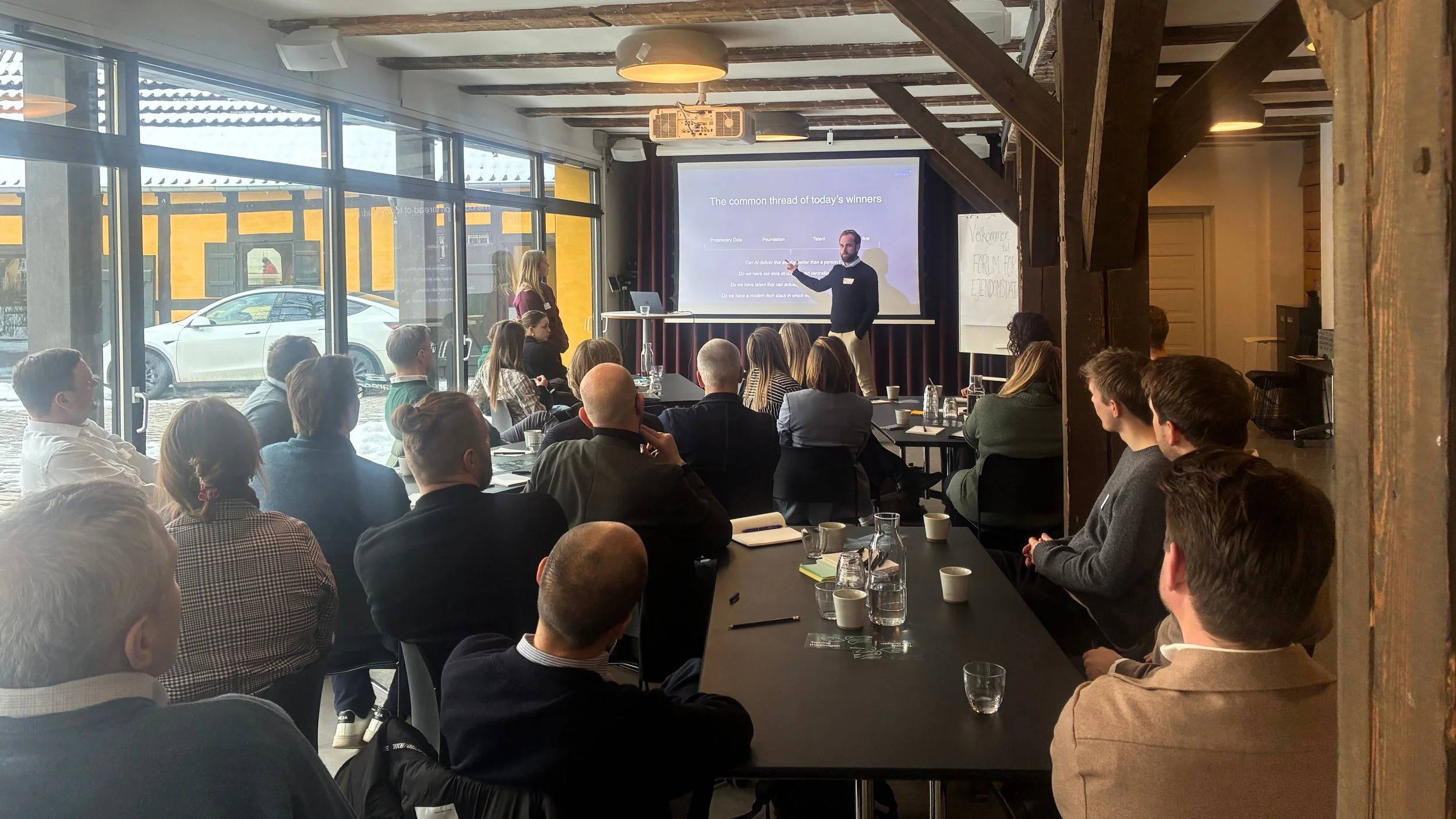
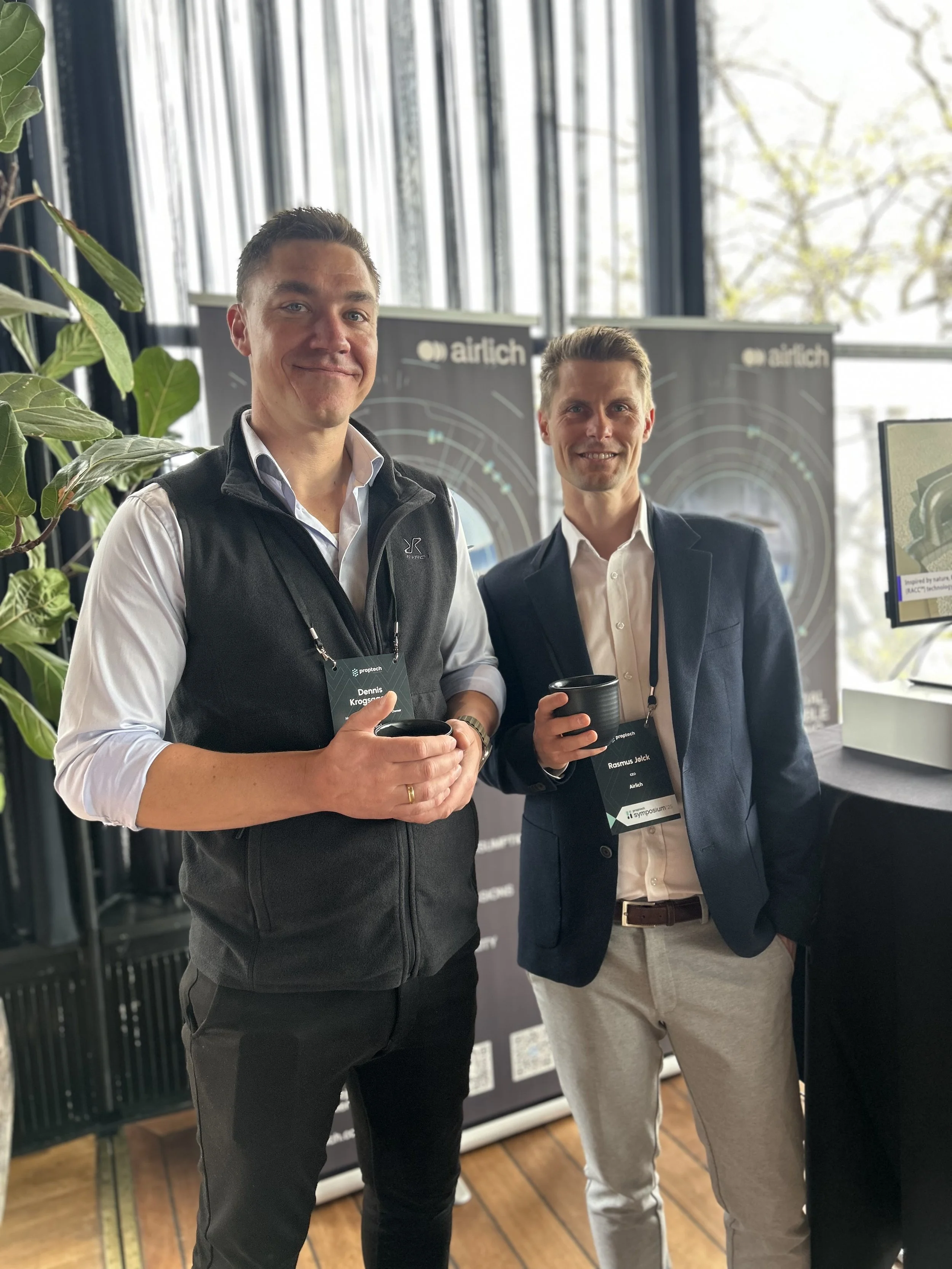
Copenhagen will also host several key moments in the Nordic PropTech calendar: the Nordic PropTech Awards finals in February, the AEC Hackathon at BLOXHUB in March, and the PropTech Symposium’26 on 21 May with the theme “Taming the Dragon”. Together with Recotech in Helsinki and the PropTech Summit in Oslo, these events now form a trifactor Nordic PropTech tour: a three-stop circuit connecting and setting much of the region’s agenda.
A more mature, more connected Nordic market
As a whole, the Q4 snapshots point to a clear shift: The Nordic PropTech scene isn’t just energetic and experimental anymore; it’s becoming structurally important to how real estate is financed, built, owned and operated. Ecosystems are maturing, cross-border capital, collaborations and ownership become more common, and the conversation has moved from “should we digitise?” to “how fast can we integrate this across portfolios and countries?”
There are, of course, still headwinds, especially in construction and development, but the innovation side of the industry is entering 2026 with momentum and stronger networks.
And one lesson cuts across all four countries: you still have to show up. From arenas and lab spaces to hackathons and symposium stages, Nordic PropTech is powered by people comparing notes, learning from each other, asking hard questions – and ultimately deciding to build a more sustainable future. Together.
Further reading
Mere fra PropTech Denmark