Q&A: LÖFT Consulting – Niels Bo Lund
The AI future is agentic. But it starts with getting the basics right.
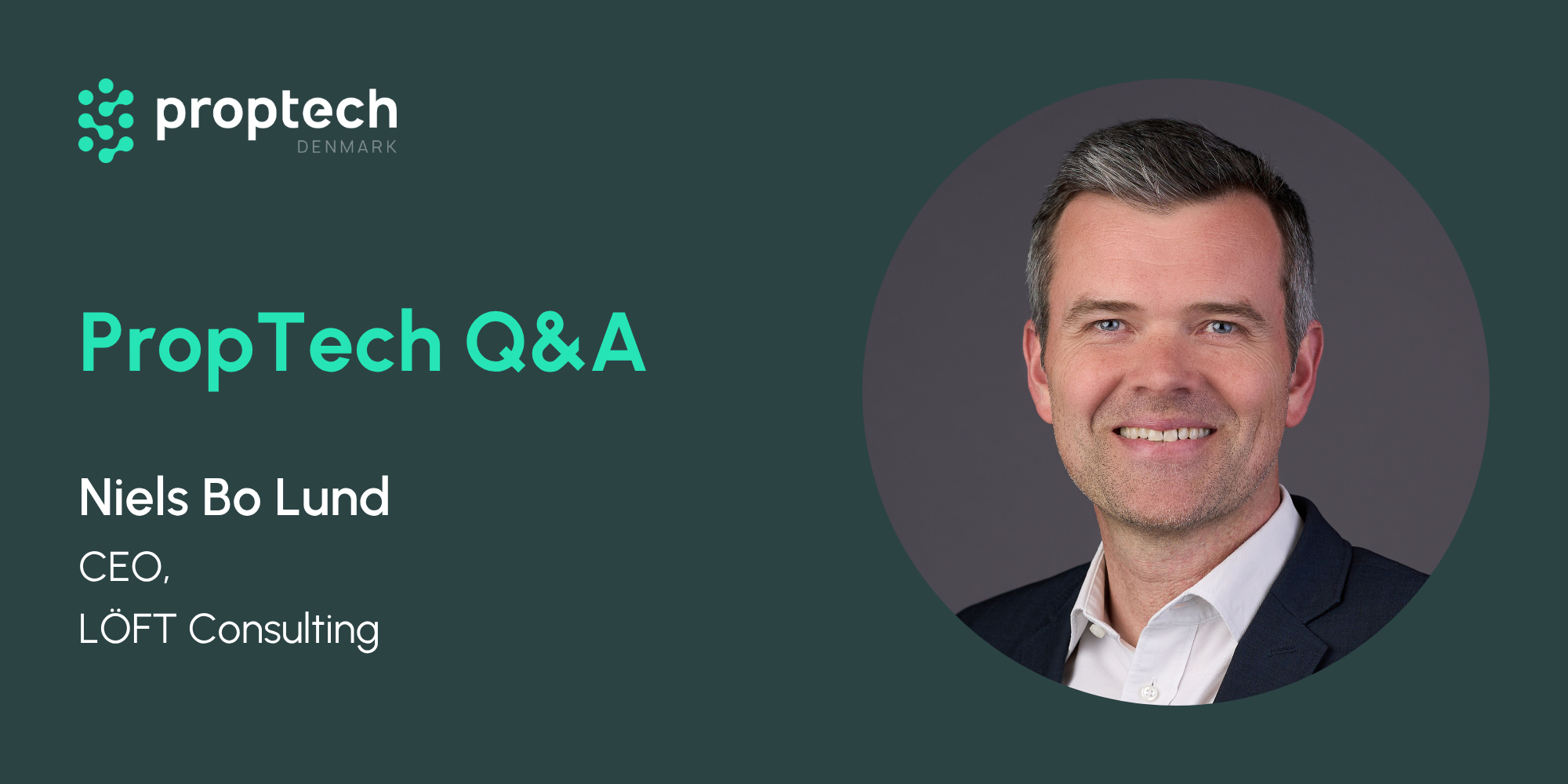
In this PropTech Denmark Q&A, Niels Bo Lund, CEO, LÖFT Consulting, shares his thoughts on why & how smarter data foundations, simple tech integration and people-first adoption are key to unlocking value across the Nordic proptech ecosystem.
LÖFT supports the wider built environment ecosystem with specialist consulting. To get a bit more specific: What is your connection to and support around the Nordic proptech community?
LÖFT was born out of deep expertise and a genuine passion for property technology, people, and the ambition for a greener, more sustainable industry. We see the impressive work already underway across the Nordic proptech scene, alongside a sincere commitment within the construction and real estate sector to embrace new technology.
At the same time, we know the reality of the industry from the inside – its workflows, constraints, decision processes, and the importance of solutions that can actually be implemented in practice.
Still, there is no single "one-size-fits-all" system that meets every organisation's needs. This calls for intelligent – yet simple – tech integration and a value-based approach to adoption that puts people first. LÖFT's mission is to support and ease this integration journey between technology partners and industry customers.
Where do you see the low-hanging fruits of digitisation for real estate?
One area where we see significant and relatively easy wins is in the digital foundation around customer, project, and market data. In proptech, we often talk about advanced solutions, AI, building data, and automation. But for many companies, the first value lies in getting the basics right.
A surprisingly large number of companies do not maintain a shared, centralised overview of their customer and sales conversations. Customer- and deal-related knowledge lives – and not infrequently gets lost – in scattered systems and people’s heads. We’re talking about pipeline conversations, deal value estimations, customer contact information, project opportunities, partner relations, and market insights – all of which are often unorganised and do little to help companies plan effectively or make data-driven decisions.
That matters because proptech is not only about adopting new platforms. It is about creating a more connected, data-driven way of working across the built environment. There are excellent and affordable standard CRM and workflow solutions on the market.
The key, however, is not just choosing the right technology, but implementing it in a way that fits the organisation, supports people’s daily work, and creates measurable value.
AI seems ever present these days. How do you see this technology unfolding over the next couple of years?
The importance and impact of AI in the future is hard to overstate – in virtually any industry.
The Danish PropTech Report 2026 shows that peak adopters of AI technology in our sector still represent only a single-digit percentage, while the vast majority of organisations (~84%) describe themselves as having only "little adoption" or "some adoption."
Much of the AI uptake we see in the industry today remains at the "LLM chatbot/assistant" level. That's a good start, but it's far from what will set an organisation apart from the competition. The AI future is agentic.
Today, we use several systems just to put together a tender offer. With AI as an operating system (AIOS), we'll work with just one layer – retrieving, updating, and coordinating across all systems. The underlying systems won't disappear; they'll become the "engines" behind a conversation rather than screens to navigate.
However, some foundational requirements must be in place to benefit from this future – most notably, access to structured and accurate data, and a clear strategy on where your business is headed.
That's where we should all start tomorrow.
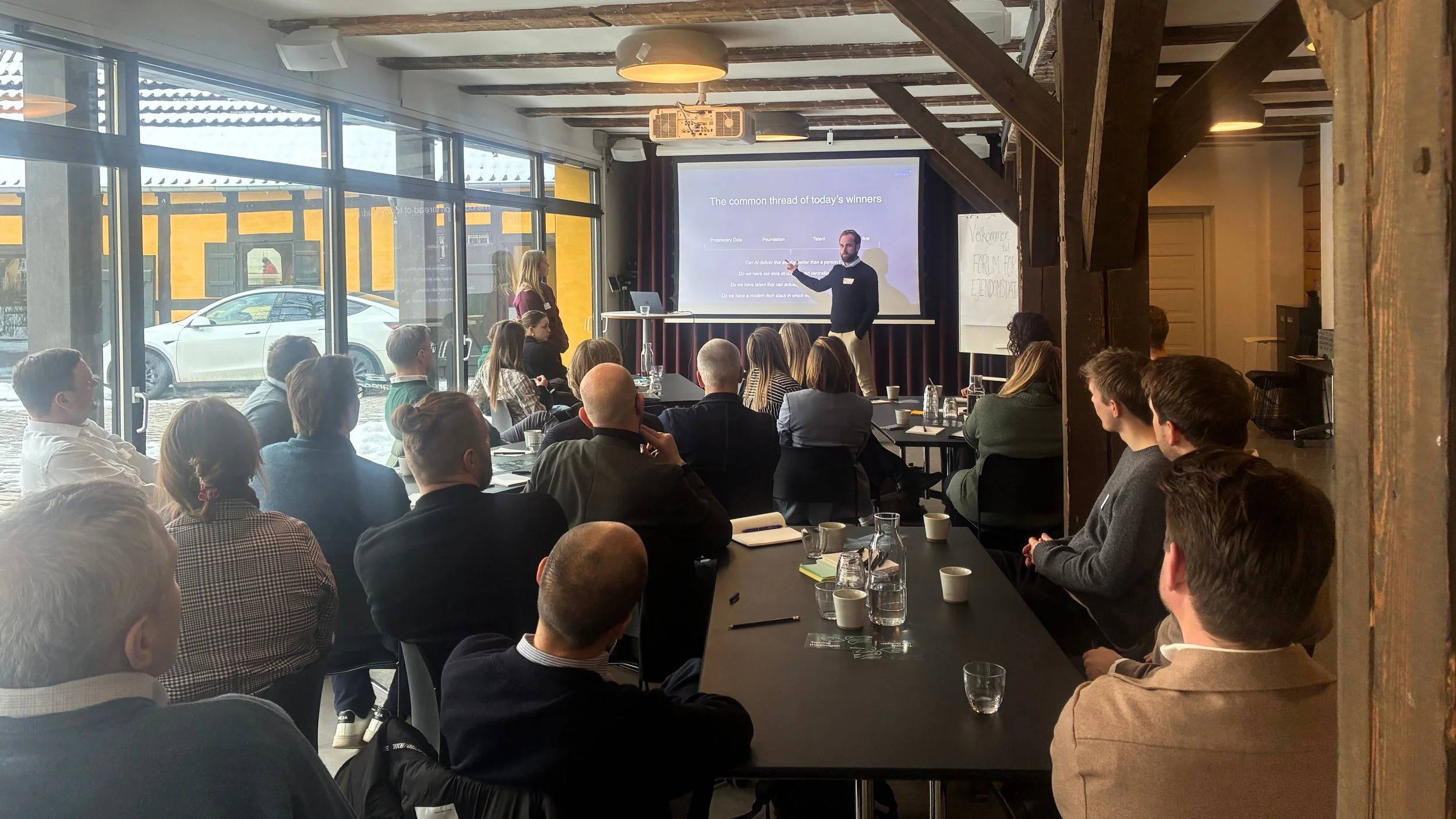
Thank you for sharing your insights with us – we agree that getting the foundation right and the strategy in place is crucial. We regularly facilitate output-oriented events, Practitioner Networks, focusing on key challenges in both strategy and implementation.
Discover upcoming events:
About:
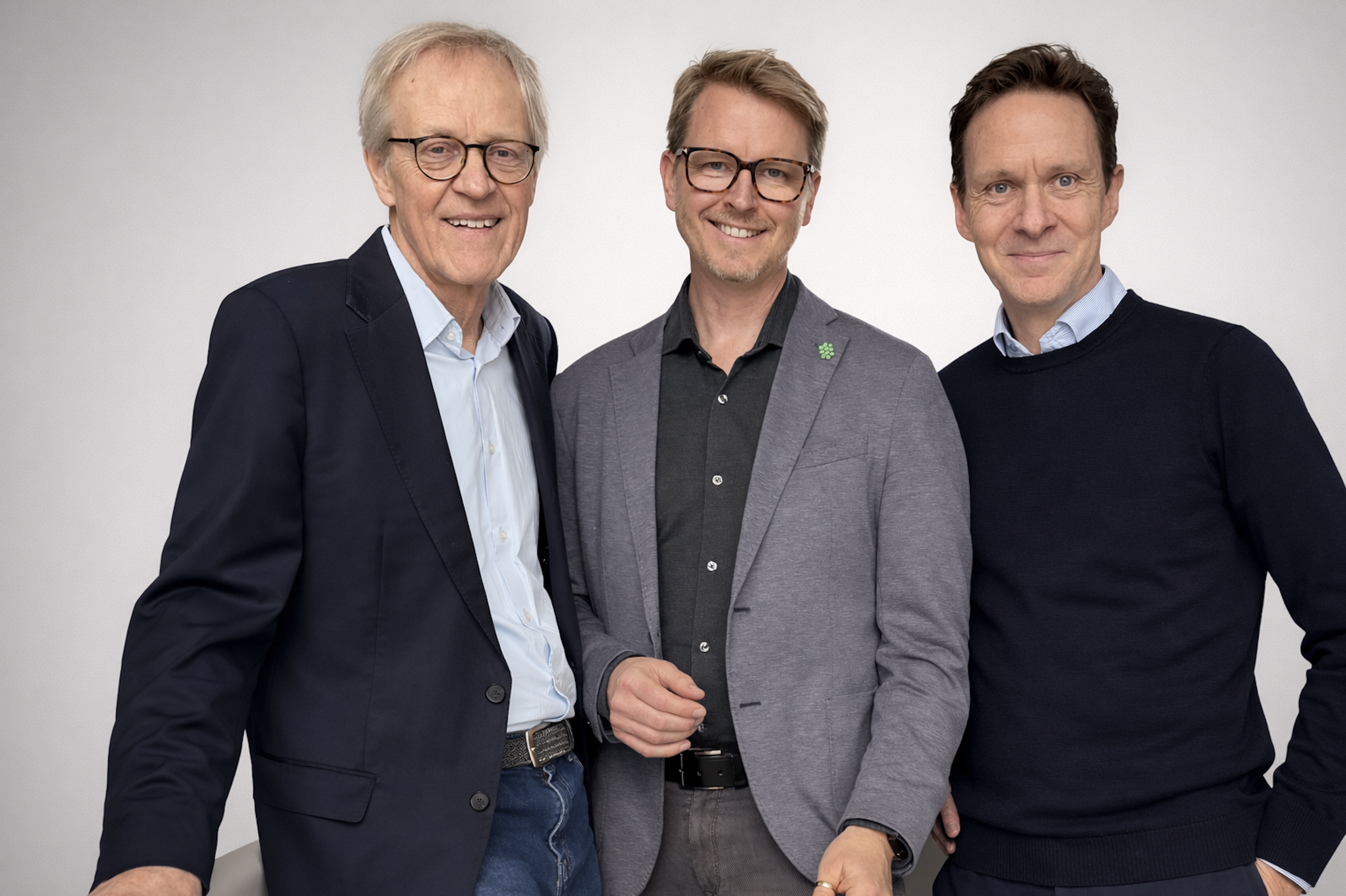
Niels is 52 years old and lives at Islands Brygge in Copenhagen with his wife and two children. He holds an MBA and brings decades of applied technology experience as an executive, investor, and advisor.